

Your dog's skin, ears, paws, and poop are telling you something.
Real food starts with knowing what your dog eats.
Itching, paw licking, ear trouble, gas, vomiting, and changes in stool are worth paying attention to. Sometimes food plays a role. Sometimes it doesn't.
Rather than guessing, begin with recognizable ingredients, a consistent feeding record, and the dog in front of you.
Not every itch is a food allergy.
Allergies happen when the immune system reacts to a substance it considers a threat. Dogs may react to food ingredients, environmental allergens, flea bites, or other triggers.
Food-related problems can look similar but have different causes.
- Food allergy: An immune-mediated reaction to an ingredient, often a protein, that may contribute to itching, skin problems, or digestive signs.
- Food intolerance: An adverse reaction to food that does not necessarily involve the immune system. Vomiting, loose stool, or gas may be involved.
- Other skin and digestive conditions: Parasites, infections, environmental allergies, gastrointestinal disease, and other causes can produce similar signs.
That distinction matters. A new treat cannot tell you which condition your dog has. Recurrent signs need proper assessment, and a suspected food allergy may require a strict veterinary elimination diet followed by a food challenge.
Begin with ingredients you can identify.
One ingredient is easier to track than a treat with a long ingredient list.
Real Dog's single-ingredient treats let you see whether you're offering fish, muscle meat, organs, or another specific animal ingredient.
That can make everyday feeding choices easier to document, especially when your dog has known preferences or dietary restrictions.
Single-ingredient does not mean allergy-free. A dog can react to the ingredient itself, and an over-the-counter treat should not be added to a veterinary elimination trial unless the veterinarian approves it.
Real foods worth understanding.
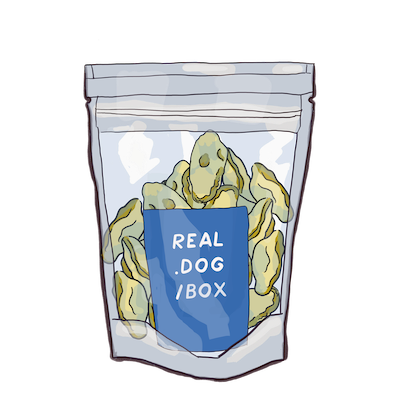
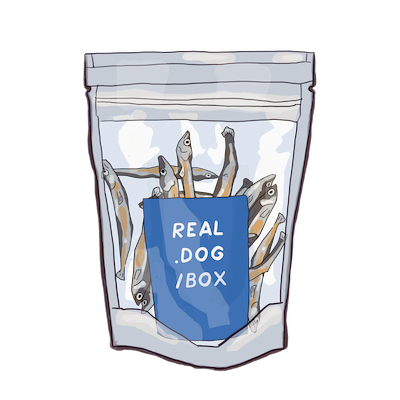
Seafood, green tripe, and fur-on items make ingredients easier to track. Omega-3 treats are not a measured therapeutic dose. Green tripe is not a digestive cure. Fur-on items are not gut cleansers. Choose what agrees with your dog and fits the feeding plan.




Keep a food record before making another change.
Start by documenting what your dog already eats. Include the main food, treats, chews, toppers, supplements, flavored medications, and anything offered by other people.
Pay attention to:
- Stool consistency and frequency
- Vomiting or gas
- Appetite and food enthusiasm
- Itching and paw licking
- Skin redness or coat changes
- Ear discomfort or repeated infections
- Foods that appear well tolerated
- Known restrictions and ingredients to avoid
For an ordinary food introduction, change one thing at a time and record the response. For a suspected allergy, follow the veterinarian's diagnostic plan instead of experimenting with multiple proteins.
A feeding diary can help a professional interpret patterns. It cannot establish a diagnosis by itself.
The people who notice the little changes.

Pet parents
Often notice changes in poop, appetite, scratching, or food enthusiasm first.

Groomers
See skin, coat, ears, and paws regularly — and know when to recommend a vet visit.

Veterinarians & vet staff
Investigate recurring symptoms and guide elimination diets when needed.

Nutritionists & coaches
Document ingredients, amounts, and food history within professional scope.

Boarding & daycare
Protect approved food lists so no unauthorized treats are given.

Pet retailers
Compare ingredient lists without calling a product an allergy treatment.
Questions to ask before changing food
Feed the dog in front of you.
The goal isn't to try every ingredient. It's to understand which foods belong in your dog's routine.
Start with recognizable whole foods, introduce them responsibly, and pay attention to what happens next.
Related: Hip & Joint Support | All Benefits
Perfect Fit. Guaranteed.
Tell us what your dog loves, dislikes, and needs to avoid. We'll help you select from our current menu. If your dog doesn't enjoy an eligible item, our provides free replacements.