

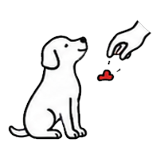
Good training deserves a great reward.
Your dog decides what's high value.
A treat isn't a high-value reward simply because it's expensive, unusual, or popular.
It's high value when your dog wants it enough to work for it in that situation.
Some dogs will do anything for a piece of liver. Others prefer green tripe, , or a familiar piece of muscle meat.
Real Dog gives you more whole-food options for discovering what motivates the dog in front of you.

The reward matters. The timing matters more.
Rewards help dogs learn which behaviors are worth repeating.
But even an exciting treat cannot make up for unclear instructions, poor timing, or a task the dog doesn't yet understand.
For effective reward-based training, mark the behavior when it happens, deliver the reward promptly, and gradually increase the difficulty as your dog learns.
A reward should be easy enough to eat that the dog can return to the next repetition comfortably.
Match the reward to the task.
Everyday practice
For familiar behaviors in a quiet environment, your dog may be happy to work for ordinary food or small pieces of meat.
Use part of the daily food allowance when possible.
Recall & distractions
A more interesting food may help when practicing recall or attention around distractions.
But the training setup still matters. Start at a distance and difficulty where the dog can succeed, then build gradually.
Handling & cooperative care
Food rewards can help with positive experiences during nail care, grooming, examinations, and other handling exercises.
The dog should still have an appropriate opportunity to pause. Food should not be used to force a frightened dog through an overwhelming experience.
Working & performance dogs
Training sessions may involve many repetitions. Reward size, texture, portability, and total calories matter as much as flavor.
A large reward can sometimes be divided into several smaller pieces without reducing its usefulness.
Which Real Dog reward will your dog work for?
High value is what your dog wants in that setting. Break pieces small, measure organs, and check multi-ingredient recipes like meatballs before using them with restricted diets.


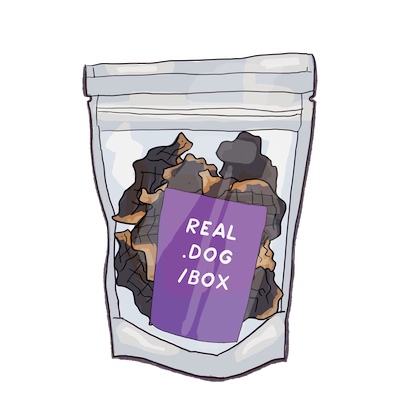


One reward doesn't work everywhere.
Try your dog's preferred treats in different situations.
What works in the kitchen may not carry the same value at a busy park, training club, grooming station, or unfamiliar location.
Keep several tolerated options available, but change the difficulty of the task before assuming the dog simply needs a better reward.
If your dog repeatedly refuses food, check for stress, discomfort, distraction, or lack of appetite.
For the people teaching dogs every day.

Professional trainers
Small, appealing rewards across many repetitions.
K9 handlers
Food options that fit work schedules and nutrition plans.

Dog walkers
Check-ins, loose-leash walking, and practiced recall.

Rescue & shelter staff
Reinforce calm, achievable behaviors in new routines.

Vets & groomers
Suitable rewards during cooperative-care exercises.

Pet parents
Make training part of everyday life, not only formal sessions.
How many training treats are too many?
Every reward counts toward daily food intake.
A small piece may seem insignificant, but repeated sessions can add up. Prepare a portion before training and use the smallest reward that remains meaningful to your dog.
When possible, reserve some of the daily complete food for practice. Keep other treats within the dog's calorie allowance.
Common training questions
Every reward is a chance to .
Whether you're teaching a puppy to come when called or working on advanced skills, the best reward is one your dog enjoys and can eat safely.
Related: Mental Enrichment | All Benefits
Perfect Fit. Guaranteed.
Tell us what your dog loves, dislikes, and needs to avoid. We'll help you select from our current menu. If your dog doesn't enjoy an eligible item, our provides free replacements.